


Discover the Welsh Sheepdog: a breed of legend
Welcome to the heart of The Welsh Sheepdog Society. Here, we delve into the rich history and unique character of a breed deeply woven into the fabric of Wales. Uncover what makes the Welsh Sheepdog an extraordinary companion and working dog.
An ancient legacy
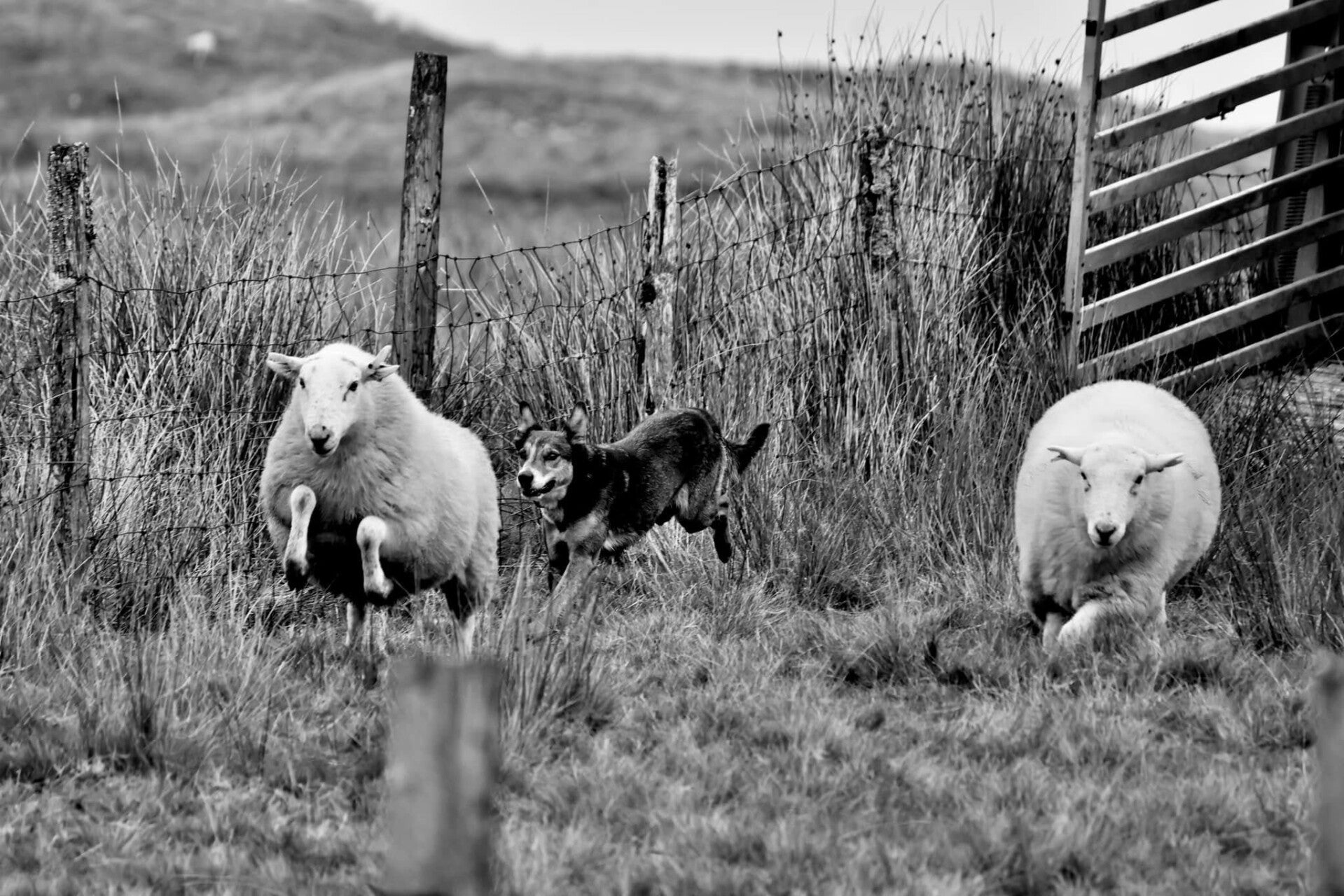
The indigenous herding dog of Wales boasts origins so ancient that they are steeped in folklore, its full lineage lost in the mists of time. It is thought that the Gellgi or ‘covert hound’ may be an early ancestor. Manuscripts relating to Welsh Law, dating back over 800 years, mention herding dogs: “The herd-dog…that guards the stock and goes before them in the morning and comes home behind them at night” is recognisable as a forebear of the modern Welsh Sheepdog. Even then, these herding dogs were so highly prized that they were regarded as worth the same as “the most important beast of the stock he guards.” The early Welsh farm dogs would have had a dual role, with protection of their owners and animals from rustlers and wild animals as important as their herding duties. Dafydd ap Gwilym, writing in the mid-1300s, mentions visiting a farmhouse and encountering a red dog that was guarding there, which rushed out to meet him.
As British Agriculture evolved, farmers would send their stock from the mountains to be sold at the markets in England. Cattle, sheep, pigs and even geese were driven, on foot, for hundreds of miles - often over wild, open country - with their destination the fattening grounds and meat markets in the Home Counties. Just a few men and their dogs could take 300 or more cattle at a time. It was paramount to keep the herds safe and calm as their welfare was essential to the livelihood of both the drover and to the owners of the cattle back in Wales. Drovers' dogs were fundamental in this task, and had to be hardworking and resourceful, preventing stock from their mob escaping but not collecting extras from the surrounding countryside and guarding the herds at night. Some of the predominant working traits of the modern breed, such as strong guarding instincts and the inbred instinct to circle a large mob of livestock, bear witness to their ancestry. Early photographic evidence is hard to find, but a map of a Plynlimon estate, dated 1810, has an illustration of a red dog with white markings very similar to our dogs today.
Sheepdog trials, first introduced in the late 1800's, made the Scottish Border Collie very popular. Much cross breeding took place and the native Welsh type was becoming much diluted though small pockets of relatively pure stock remained. Historically there had been no record of the genealogy of these dogs and so the only evidence available as to the purity of their breeding line is their true ‘Welsh’ manner of working.
The Welsh Sheepdog Society was formed in 1997 with a view to preserving and promoting the ancient Welsh breed in its working context. It is the aim of the Society to develop the purity of the strain.
The perfect partner for the hills
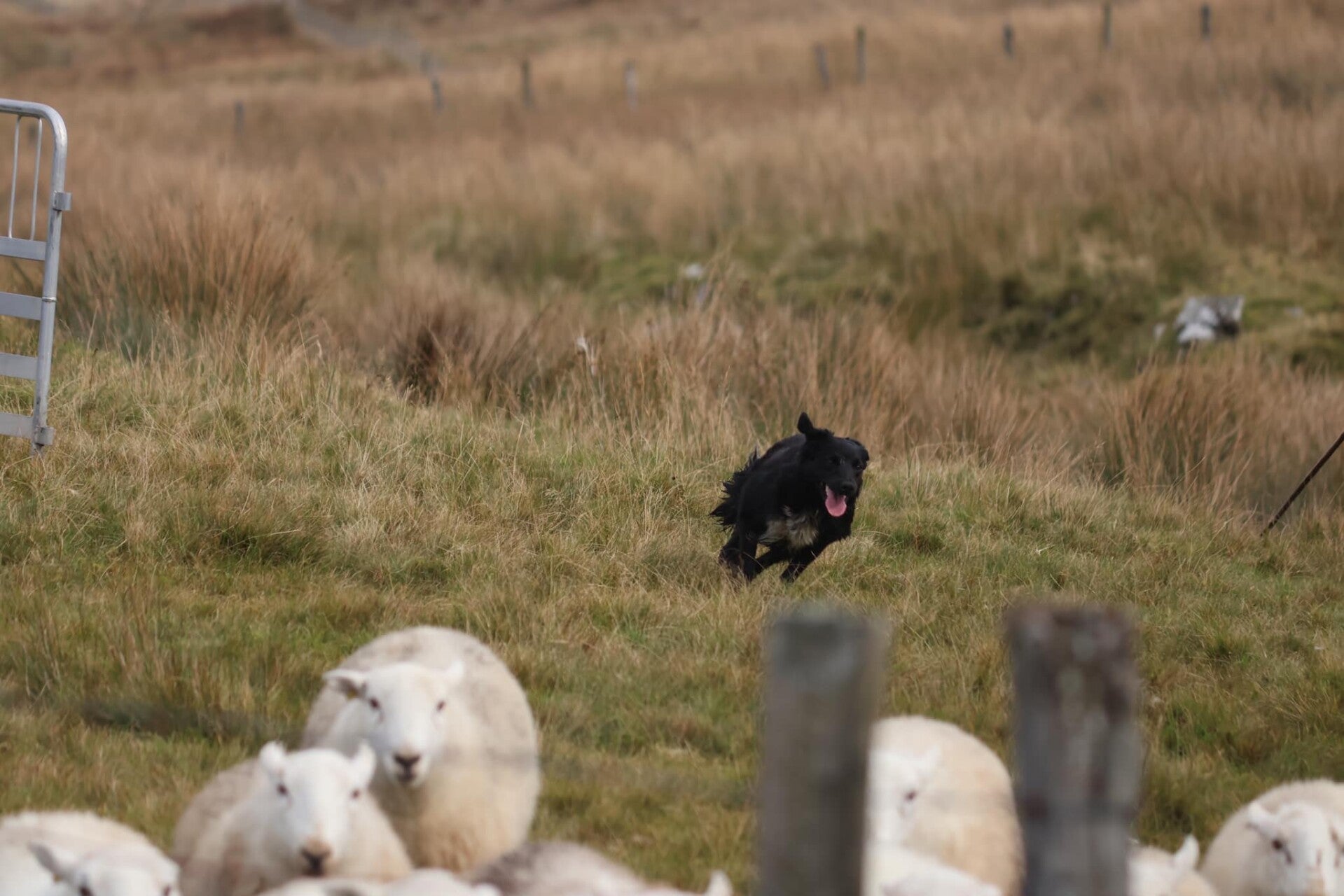
For hill farmers, the Welsh Sheepdog proves to be an invaluable asset. These dogs are renowned for their independent thinking and ability to work effectively in challenging terrain. Their intelligence and innate herding instincts make them exceptionally useful in managing livestock across vast and varied landscapes, adapting to the demands of the environment with minimal supervision.

Temperament and characteristics
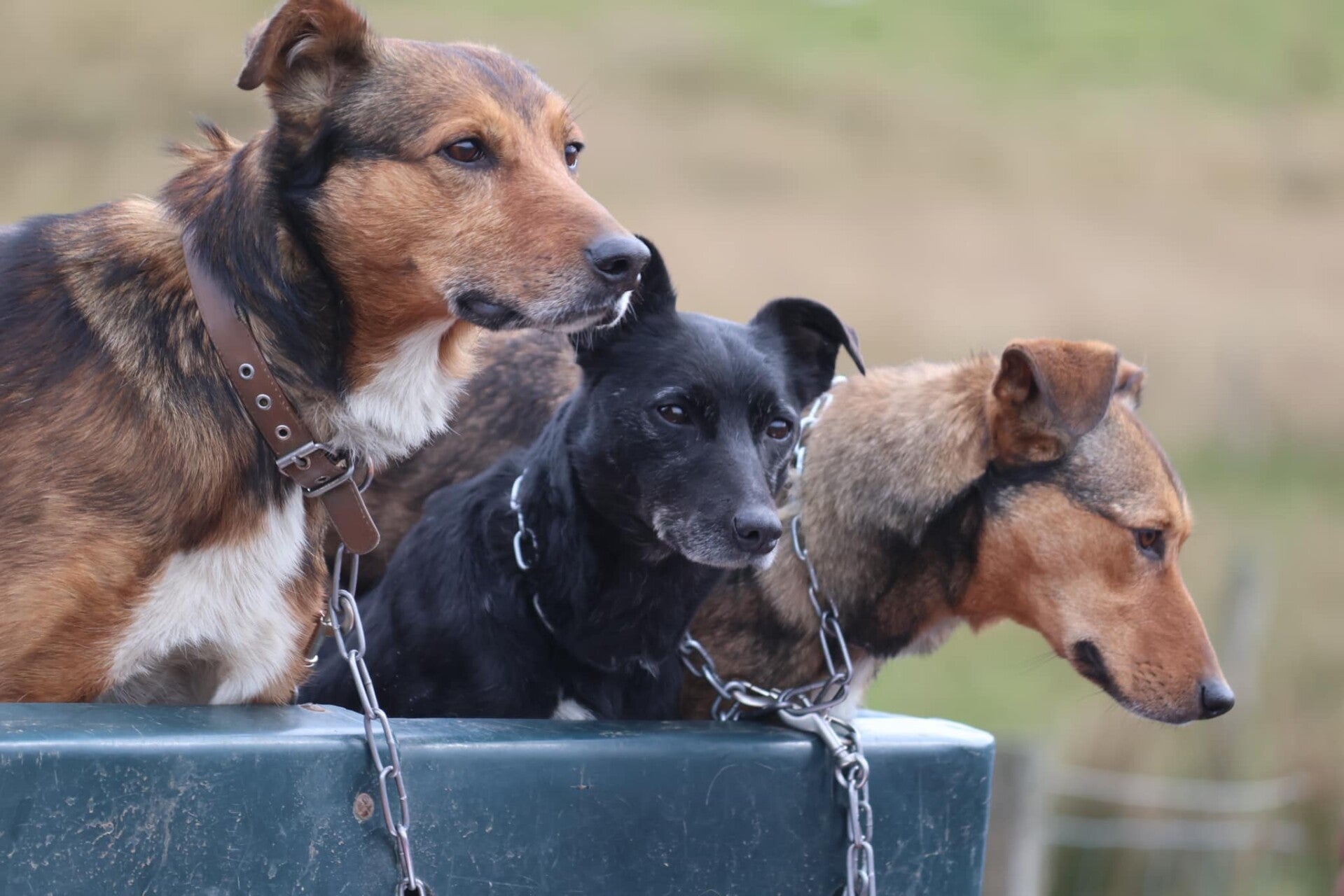
In appearance, the Welsh dog is middle sized and well proportioned. They can be rough or smooth coated and can be of most colours including black, black-and-tan, red, blue merle or roan, with or without white markings. The ears may be pricked or folded forward. They have an alert expression, an active disposition and are highly intelligent. They are good guard dogs, barking at intruders, but are normally gentle and good with children.
Welsh Sheepdogs are very adaptable in their work. They have a natural instinct for stock work and are capable of using their own initiative aswell as being directed, which makes them very useful when working big groups of sheep in open country. They will spring to flush sheep from rocks or undergrowth and have tremendous agility and stamina.
Equally at home in enclosed land or in the handling pens, they will bark strongly if necessary and some will run across the backs of sheep if they become jammed. A strong dog can catch and hold a hill ewe at command, most will catch a lamb for treatment. They have immense courage – a good Welsh dog weighing in at about 20kg can easily turn a 750kg cow.
Their will to work is in-bred and they need an active life-style. The Society wishes to restrict the sale of registered puppies to working stock farms only.
Welsh Sheepdog Society Branches
Currently, there are five branches to the Welsh Sheepdog Society;
- The Mid Wales Branch
- The North Wales Branch
- The South Wales & Borders Branch
- The Swedish Branch
- The North American Branch
Each has its own unique histories with the breed, and all take turns (bar the Swedish/North America Branches) at hosting our yearly hill competition.
"I am glad that she has trained me to work with her, rather than the other way about... time and time again she proves that she knows what she is doing far better than I do."
Wilden Welsh Sheepdogs